Best Espresso Machine for a Small Office: What to Check
Choosing an espresso machine for a small office: cups per day, tank and grounds capacity, a shared cleaning routine, water filters and descaling, and four models.
At a glance
For a small office, the Jura E8 has the largest tank and bean container on this site, with one-touch milk drinks and automatic milk cleaning. The Philips 3300 LatteGo is easier to rinse, and the De'Longhi Magnifica Evo lists seven drinks including iced coffee. A pod machine like the Nespresso Vertuo Pop+ suits a handful of users.
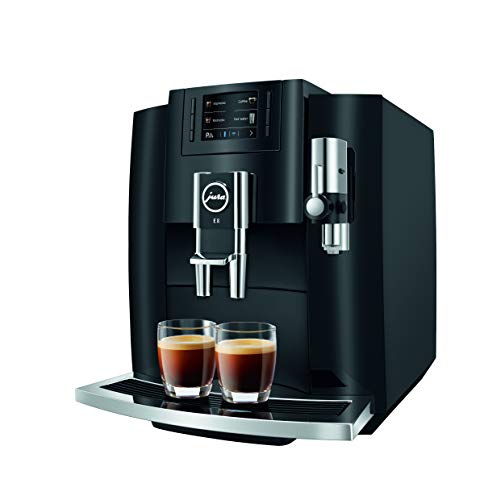
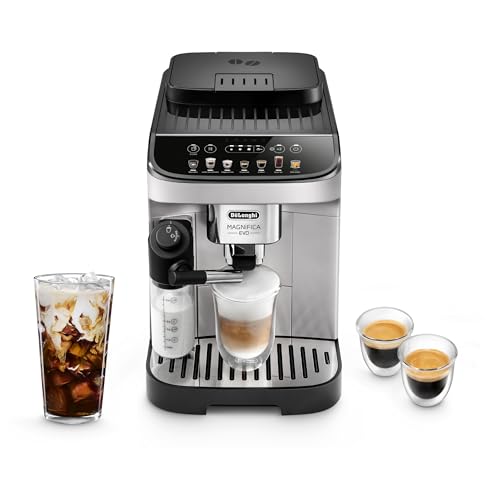
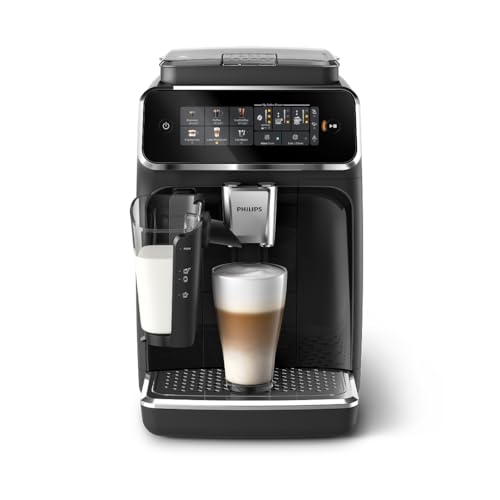
An office coffee machine is not a home machine with more users. It is the same machine asked to run all day, be filled and emptied by people who did not buy it, and stay clean without anyone being personally responsible. That changes what matters: tank and bin sizes, how quickly milk parts can be rinsed, how few steps a coworker has to learn, and who owns the cleaning.
This guide covers those questions and then four machines from this site. We have not handled any of them. We compared what Jura, De’Longhi, Philips and Nespresso publish. None of them states a rated daily cup count, so the capacity advice below is planning arithmetic, not a manufacturer guarantee.
Step One: Count Cups and Users
Write down a realistic day before you look at a single model:
- How many people will use it? Five people and twenty-five people need different machines.
- How many drinks per person? Two a day is a common estimate, and it adds up fast.
- What share is milk? Milk drinks need the most cleanup.
- When is the peak? A queue at 9:00 a.m. will expose a small tank and a slow cycle.
Philips’ AquaClean claim offers a useful benchmark. A household that makes four drinks a day makes roughly 1,500 cups a year. An office team of ten at two drinks each makes about 5,000 in a year, which would use up the Philips best-case filter figure in about 250 working days. That is arithmetic using Philips’ own number, and the filter figure assumes you change the filter when prompted.
The takeaway is that home-style machines suit a small team. If the plan involves dozens of people, ask the maker whether the model is meant for that kind of use before you rely on it.
Capacity: Tank, Beans and Bins
Capacity is where office machines differ most. Here is what the makers publish:
| Model | Water tank | Other capacity |
|---|---|---|
| Jura E8 | 64 oz (1.9 L) | 10 oz (280 g) bean container; grounds container about 16 servings |
| Nespresso Vertuo Pop+ | 25.4 fl oz (750 ml) | Used capsule container holds 8 espresso or 5 mug capsules |
| De’Longhi Magnifica Evo | Not listed by De’Longhi | Check the manual |
| Philips 3300 LatteGo | Not listed by Philips | Check the manual |
Run the numbers for your team. A 64 oz tank holds roughly eight 8 oz mugs of water, a number that ignores the water used for rinsing. A 25.4 oz tank holds about three. The Vertuo Pop+ capsule bin fills after 5 mug-size capsules, which in a busy office means emptying it constantly.
A Cleaning Routine a Whole Office Can Follow
Cleaning is where shared machines fail. A routine that works is short, posted next to the machine, and assigned.
After every milk drink (anyone):
- Rinse or swap the milk container or run the machine’s milk rinse, as the manual says.
- Return milk to the fridge if the container detaches. Do not leave it at room temperature for long.
Daily (the owner or backup):
- Empty the drip tray and grounds container.
- Wipe the spout and the area around it.
- Refill beans and water.
On the machine’s prompt:
- Run the cleaning and descaling program. Do not dismiss the prompt.
Skipping milk-system cleaning cycles is the most common way these machines develop smells and clogs, and the Jura profile on this site says exactly that. Put the date of the last descaling on a label.
Water, Filters and Descaling
Hard water is hard on any espresso machine. The U.S. Geological Survey classifies water at 0 to 60 mg/L as calcium carbonate as soft, 61 to 120 as moderately hard, 121 to 180 as hard and above 180 as very hard, and notes that heated hard water forms calcium carbonate deposits that can shorten equipment life. Your building’s water report or a hardness test strip tells you where you stand. Some machines on this site include one: De’Longhi includes a Total Hardness Test strip with the Magnifica Evo.
Filters help, with caveats:
- Jura supports the CLEARYL Smart+ cartridge, which the machine detects through an RFID chip and flags when due.
- Philips says its AquaClean filter allows up to 5,000 cups without descaling, based on 8 filter replacements, and that actual counts vary.
- Filters are a recurring cost, and they do not cancel descaling in hard-water areas.
Power and Placement
Plug the machine into a wall outlet, not a power strip. OSHA’s electrical safety page lists improper use of extension and flexible cords among the common causes of electrical injuries. Jura lists the E8 at 120 V, 1450 W and 10 A, with a 43-inch cord, so a break-room circuit shared with a microwave or kettle is a poor place for it. Check the label for a UL or ETL mark. Also measure: the E8 is 11 x 13.8 x 17.6 inches and 21 lb, so check cabinet clearance.
Four Machines for the Office
Jura E8: For the Busiest Small Office
One-touch milk drinks, a 64 oz tank, a 10 oz bean container and automatic milk system cleaning for a team that shares one machine.
According to Jura, the E8 offers 17 specialties on the current Chrome model, a 2.8-inch color display with buttons, and a monitored drip tray. Jura has sold several E8 versions under different article numbers, so check the number on the listing against Jura’s page. The Jura E8 profile explains the differences.
Philips 3300 LatteGo: For Easy Daily Milk Cleanup
A tube-free milk container that Philips says can be cleaned in as little as 10 seconds, plus a filter and quieter-grinding design for a shared break room.
Philips lists 6 beverages, so the menu is shorter than some, and Philips’ page gives no tank or bean hopper size, which matters for an office. Philips says its SilentBrew design makes 40% less noise than earlier models. Read the Philips 3300 LatteGo profile before you commit.
De’Longhi Magnifica Evo With LatteCrema: For a Longer Drink List
Seven one-touch drinks including iced coffee, a 13-setting grinder and an automatic milk system for people with different tastes.
De’Longhi says the removable parts are dishwasher-safe. Make sure you buy the ECAM29084SB, because other Magnifica Evo variants have a manual frother. De’Longhi’s page does not list dimensions or tank size, so confirm them. See the De’Longhi Magnifica Evo profile.
Nespresso Vertuo Pop+: For a Handful of Coffee Drinkers
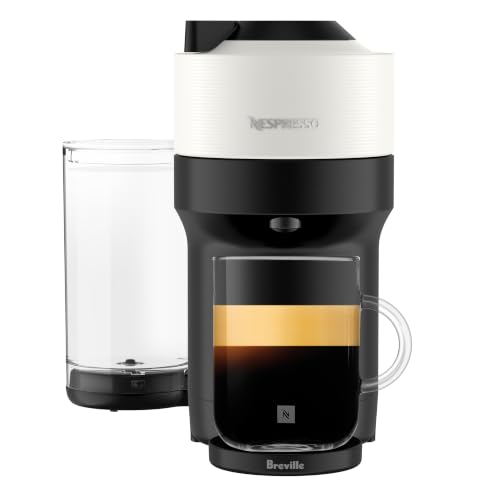
A compact capsule machine with 30-second heat-up and light cleaning, for a very small team that mostly drinks black coffee.
Nespresso’s manual lists a 25.4 fl oz tank and an 8 espresso or 5 mug capsule bin. There is no milk system on this ASIN, and the machine reads Vertuo capsules only. It is a good fit for two to four people, and a poor one for a busy break room. The Vertuo Pop+ profile has the details.
Which One Fits Your Office
- A busy team that wants milk drinks: the Jura E8, for tank and bin size.
- A team that cares most about cleanup: the Philips 3300.
- People with different tastes and an iced-coffee habit: the De’Longhi Magnifica Evo.
- Two to four people, mostly black coffee: the Vertuo Pop+.
Our comparison of the best espresso machines ranks every model on this site.
Sources
Frequently asked questions
How many cups a day can a home-style espresso machine handle in an office?
None of these makers publishes a rated daily volume, so treat these as household machines. As a rough planning rule, a 64 oz tank like the Jura E8's holds about eight 8 oz mugs of water, so a busy team will be refilling it daily. If people line up for drinks all day, ask the manufacturer whether the model suits commercial use before buying.
Is a super-automatic or a pod machine better for an office?
A super-automatic gives one-touch milk drinks from beans and a larger tank. A pod machine like the Nespresso Vertuo Pop+ needs less cleaning but has a small tank, reads Vertuo capsules only and has no milk system on this listing.
Who should clean a shared machine?
Name an owner and a backup, and post a short checklist beside the machine. Shared machines without a named owner tend to skip the milk and descaling steps.
Do I need a water filter in the office?
It helps in hard-water areas. The USGS classifies water above 180 mg/L as calcium carbonate as very hard. Jura supports a CLEARYL Smart+ cartridge and Philips offers an AquaClean filter, but filters do not remove the need to descale in every case.
Can I plug the machine into a power strip at work?
Plug it into a wall outlet. OSHA lists improper use of extension and flexible cords among the common causes of electrical injuries, and these machines heat water. Avoid running it with a microwave or kettle on the same circuit.
What about milk in a shared fridge or on the machine?
Do not leave milk in a container at room temperature for long, and refrigerate it between uses if the container detaches. Skipping milk-system cleaning cycles is the most common way these machines develop smells and clogs.